Service shaped by the activity and property
Wildlife Control for Homes and Managed Properties
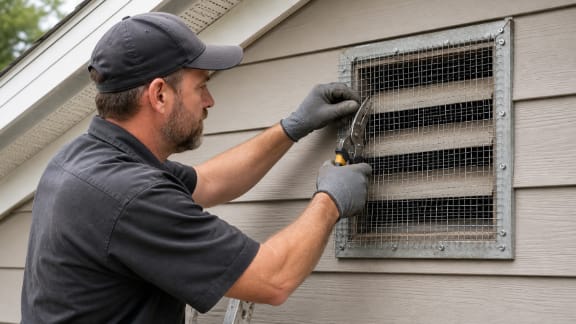
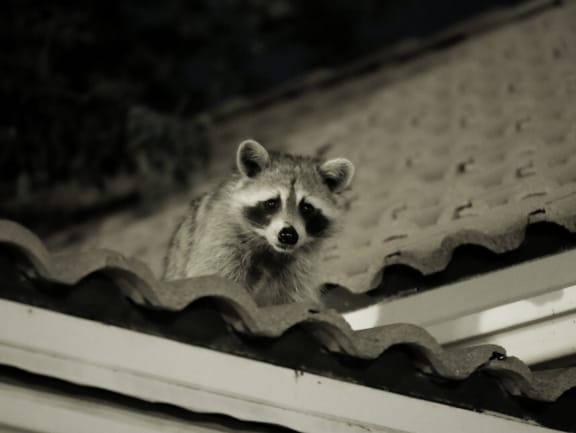
Sounds, nesting material, droppings, odors, damaged vents, or activity around an attic, crawl space, chimney, roofline, deck, or outbuilding may indicate a wildlife conflict. ALB painting provides wildlife-control services in Folsom, CA and the surrounding service area.
The appropriate response depends on the species, location, season, access, young animals, and state or local rules. A property evaluation can identify visible evidence and help determine a lawful, property-specific next step.
Evidence and conditions worth noting
Document the Activity From a Safe Distance
Do not handle, corner, feed, or approach a wild animal. Note the time, location, sounds, visible damage, and travel route from a safe distance.
- Scratching, movement, vocalization, or other sounds in attics, walls, chimneys, crawl spaces, or under decks
- Droppings, nesting material, feathers, fur, tracks, odors, or food remains
- Damaged soffits, vents, screens, louvers, chimney caps, roof edges, siding, or crawl-space access
- Repeated animal activity near the same opening, roofline, deck, shed, garden, or trash area
- Young-animal sounds or adults repeatedly carrying food or nesting material
- A bat or other wild animal inside an occupied room or possible contact with a person or pet
Observe, evaluate, recommend
Identify the Conflict Before Closing Access
- Describe the animal and activity. Share photographs from a safe distance, timing, affected areas, possible contact, and whether young animals may be present.
- Evaluate accessible evidence and entry areas. Relevant exterior and interior areas can be reviewed for travel routes, damage, shelter, attractants, and repair needs.
- Coordinate removal, exclusion, and cleanup. Review legal or seasonal constraints, the proposed method, timing of repairs, sanitation needs, and follow-up before work begins.
Reduce access and contributing conditions
Reduce Attractants and Maintain Building Openings
Prevention should begin with food, shelter, and building maintenance—not by sealing an opening while an animal or dependent young may still be inside.
- Do not intentionally feed wildlife or allow bird seed and fallen fruit to accumulate
- Keep pet food and water indoors, especially overnight
- Use durable trash and compost containers with tight-fitting lids
- Maintain screens, vents, louvers, chimney caps, soffits, roof edges, and crawl-space access
- Trim branches and vegetation when they provide direct access or conceal building damage
- Complete permanent repairs only after the relevant animals and dependent young are confirmed out
Ask whether follow-up, monitoring, or recurring service options are available.
Review the service plan
Review Safety, Timing, and Local Requirements
Wildlife species are governed by different rules, and some situations require animal control, a wildlife agency, or public-health guidance rather than routine property service.
- Do not touch or capture a bat or other wild animal after possible contact with a person or pet
- Contact the appropriate health department, animal control office, or veterinarian promptly after possible exposure
- Ask what species is suspected and what state, local, permit, relocation, or seasonal rules apply
- Confirm how the plan accounts for nests, dependent young, and animals that may still be inside
- Review how contaminated material, droppings, insulation, or damaged components will be handled
- Confirm which exclusion repairs are included and how the property will be checked afterward
Details from the local team
Service Information From ALB painting
Ask how these details apply to your property and the service plan recommended for you.
Treatment Methods
Environmentally Focused Options
Need Help With Wildlife at the Property?
Tell ALB painting what you observed from a safe distance at the Folsom, CA property. Request an inspection or call to discuss the species, location, and next appropriate contact or service.