Service shaped by the activity and property
Rodent Control and Exclusion for Local Properties
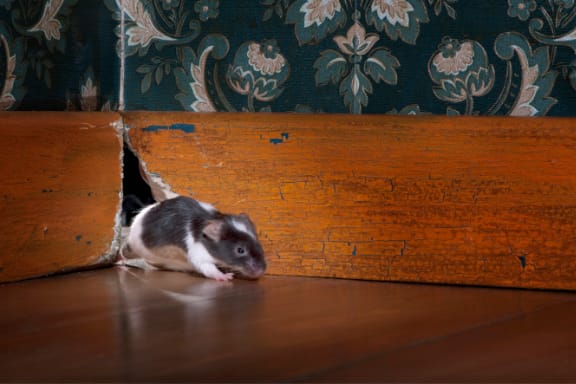
Rodent activity may begin with droppings, gnaw marks, scratching sounds, damaged food packaging, or evidence of entry around a building. ALB painting provides rodent control and exclusion services in Folsom, CA and the surrounding service area.
A useful plan considers both the activity inside and the ways rodents may be reaching food, water, shelter, or openings around the property. An evaluation can document visible signs, review accessible entry points, and clarify the next step.
Evidence and conditions worth noting
Signs and Locations Worth Reporting
Note where signs occur and whether they appear fresh or continue to return. Photographs and a simple timeline can make the first conversation more useful.
- Droppings or urine marks in cabinets, storage, attics, garages, crawl spaces, or utility areas
- Gnaw marks on food packaging, wiring, trim, stored belongings, or building materials
- Scratching, movement, or other sounds in walls, ceilings, attics, or under floors
- Shredded paper, fabric, insulation, or other possible nesting material
- Rub marks, tracks, odors, or recurring activity along walls and sheltered routes
- Gaps around doors, foundations, rooflines, vents, pipes, utilities, garages, or outbuildings
Observe, evaluate, recommend
A Plan for Activity, Access, and Follow-Up
- Describe the activity. Share the signs, rooms or exterior areas involved, when activity occurs, and any recent construction, deliveries, leaks, or food-storage changes.
- Evaluate accessible routes and conditions. Relevant areas can be reviewed for current evidence, food and water sources, nesting conditions, and possible entry points.
- Coordinate control and exclusion. Review the proposed activity-management steps, the timing of entry repairs, safe placement considerations, monitoring, and follow-up.
Reduce access and contributing conditions
Reduce Food, Water, Shelter, and Entry Opportunities
Rodent prevention works best when everyday attractants and accessible openings are addressed together. Priorities vary by building, but useful steps include:
- Store food, grain, seed, and animal feed in durable containers with tight-fitting lids
- Clean spills promptly and avoid leaving pet food or water out overnight
- Keep indoor and outdoor garbage containers covered and in good repair
- Reduce clutter and nesting material in garages, storage, attics, and outbuildings
- Trim dense vegetation and move wood, debris, and stored materials away from the structure when practical
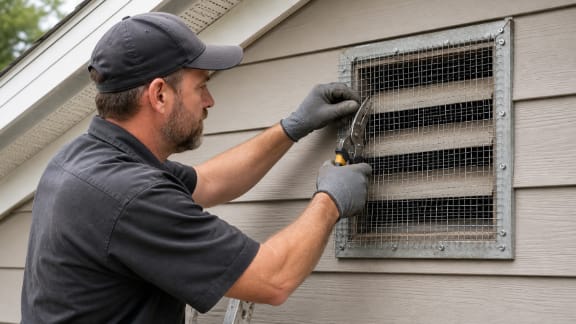
- Repair accessible gaps around doors, vents, rooflines, foundations, pipes, and utility openings with materials appropriate for the location
Ask whether follow-up, monitoring, or recurring service options are available.
Review the service plan
Review Safety, Cleanup, and Exclusion Details
Rodent evidence and control devices require careful handling. Keep children and pets away from affected areas and review the full plan before service begins.
- Do not sweep or vacuum dry droppings, urine, or nesting material; follow current public-health cleanup guidance
- Ask where traps, bait stations, or other devices may be placed and how they will be protected
- Confirm how frequently devices will be checked and who handles captured or dead rodents
- Review which entry points can be addressed and when exclusion work should occur
- Ask what signs should be monitored after service and how new activity should be reported
- Follow all preparation, product-label, occupancy, and follow-up directions provided for the property
Details from the local team
Service Information From ALB painting
Ask how these details apply to your property and the service plan recommended for you.
Treatment Methods
Environmentally Focused Options
Hearing or Seeing Signs of Rodents?
Tell ALB painting what you have noticed at the Folsom, CA property. Request an inspection or call to discuss the activity, possible entry points, and the next appropriate step.
